

points of interest
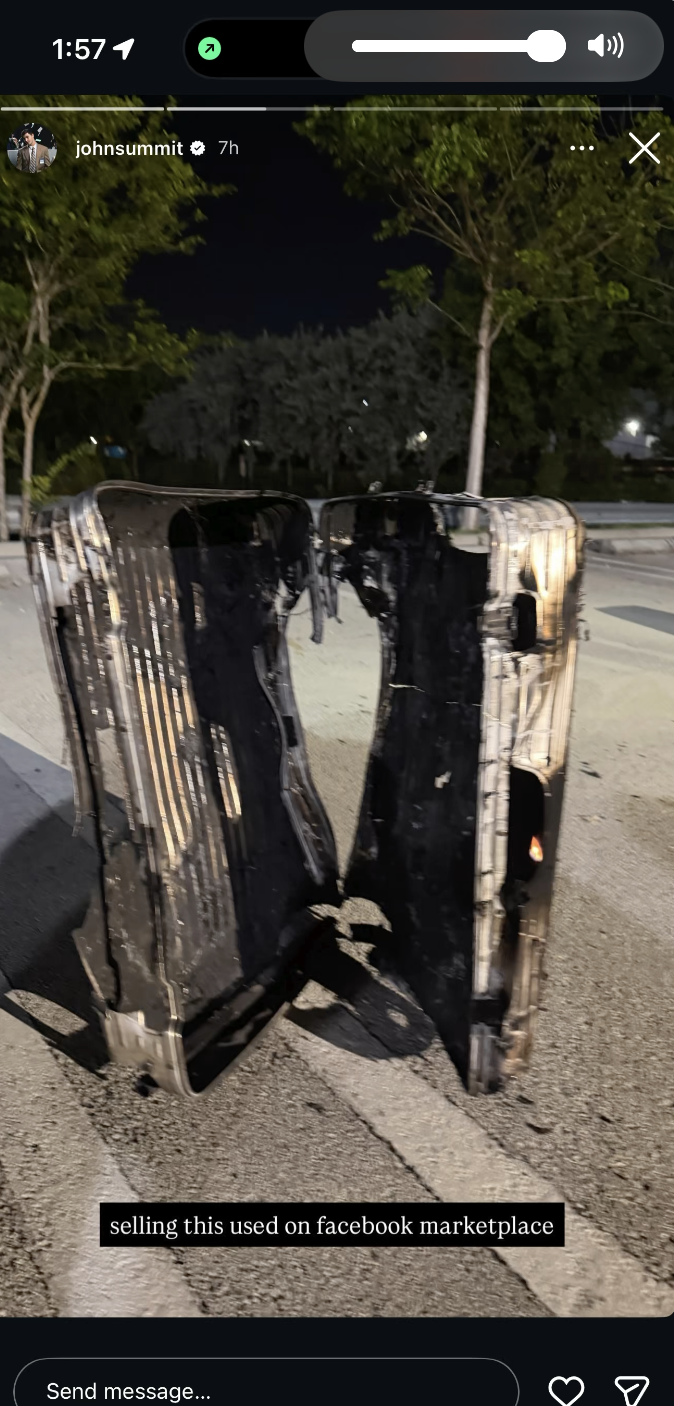
When Premium Products Fail, Experience Becomes the Product
Most brands invest heavily in the purchase journey. Very few design what happens after. When premium products fail, the response shapes trust, perception, and long term value. What begins as an isolated issue can quickly become a broader narrative about quality and credibility. This piece explores why ownership experience is becoming the primary battleground for premium brands and why recovery must be designed, not improvised. It highlights how expectation setting, service systems, and recovery moments work together to define the customer relationship over time.

Can Premium Brands Be Magnetic Again
Premium brands are not losing relevance because of product. They are losing it because they stopped designing belonging. Using Saks Global’s Chapter 11 as a structural case study, this article explores why facilitators outperform distributors, how underdesigned communities suppress growth, and the five strategic decisions required to architect participation, loyalty, and long term cultural relevance.
What Loyalty Surveys Reveal When You Look Past the Surface
Most loyalty surveys don’t fail because they ask the wrong questions.
They fail because they measure activity instead of decisions and mistake correlation for causation. This edition of Survey Decoder looks at what’s hiding in plain sight.
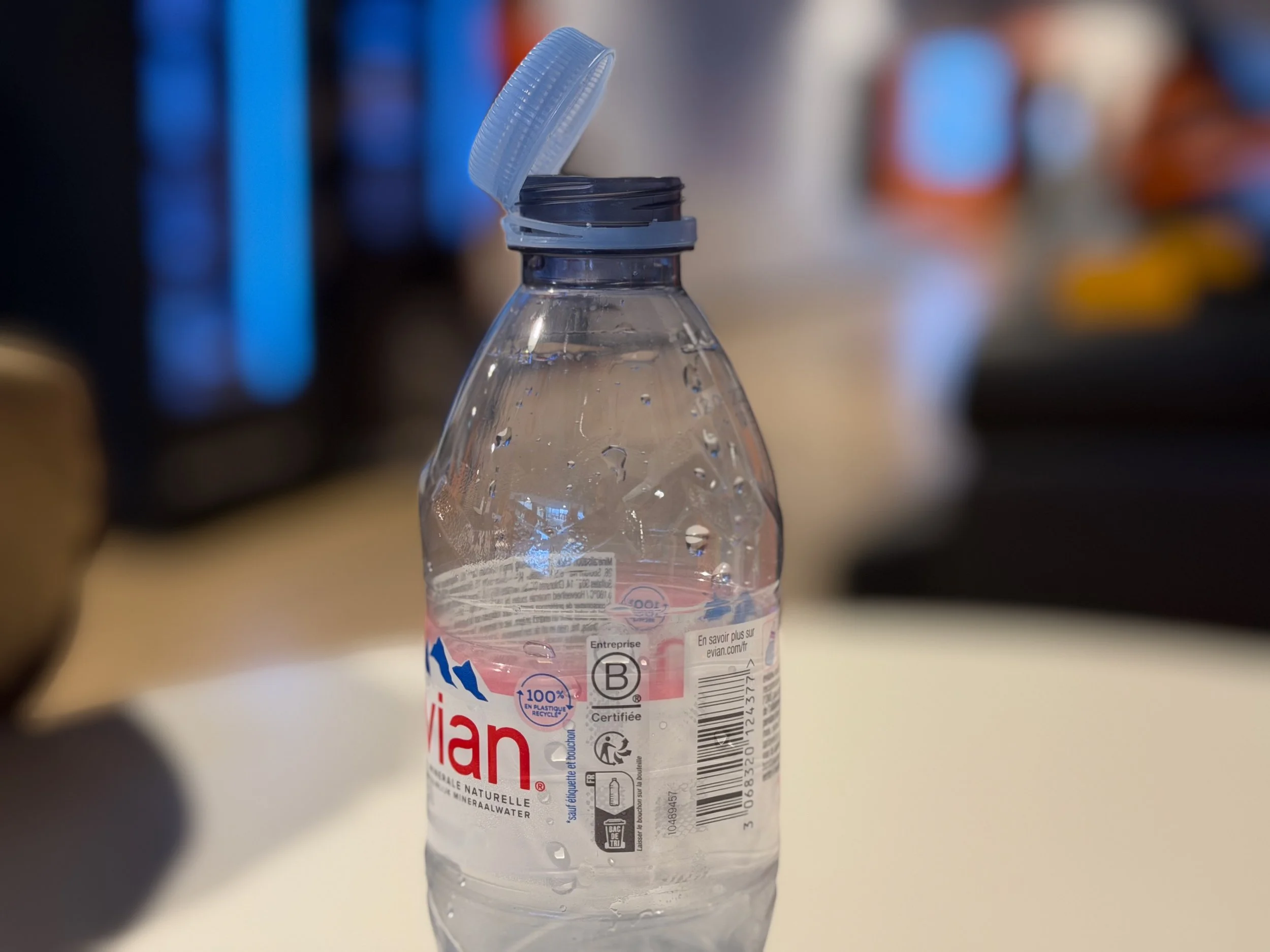
The Hidden Power of the Default
The tethered bottle cap debate isn’t about regulation. It’s about system performance. When small design flaws create large downstream costs, smart leaders redesign the structure, not the user. Europe’s approach offers a clear lesson for brands: stop relying on motivation and start engineering better defaults. The future of strategy belongs to those who design systems that work even when attention, effort, and consistency are low.