
The Hidden Power of the Default
What a Bottle Cap Reveals About System Design and Human Behavior
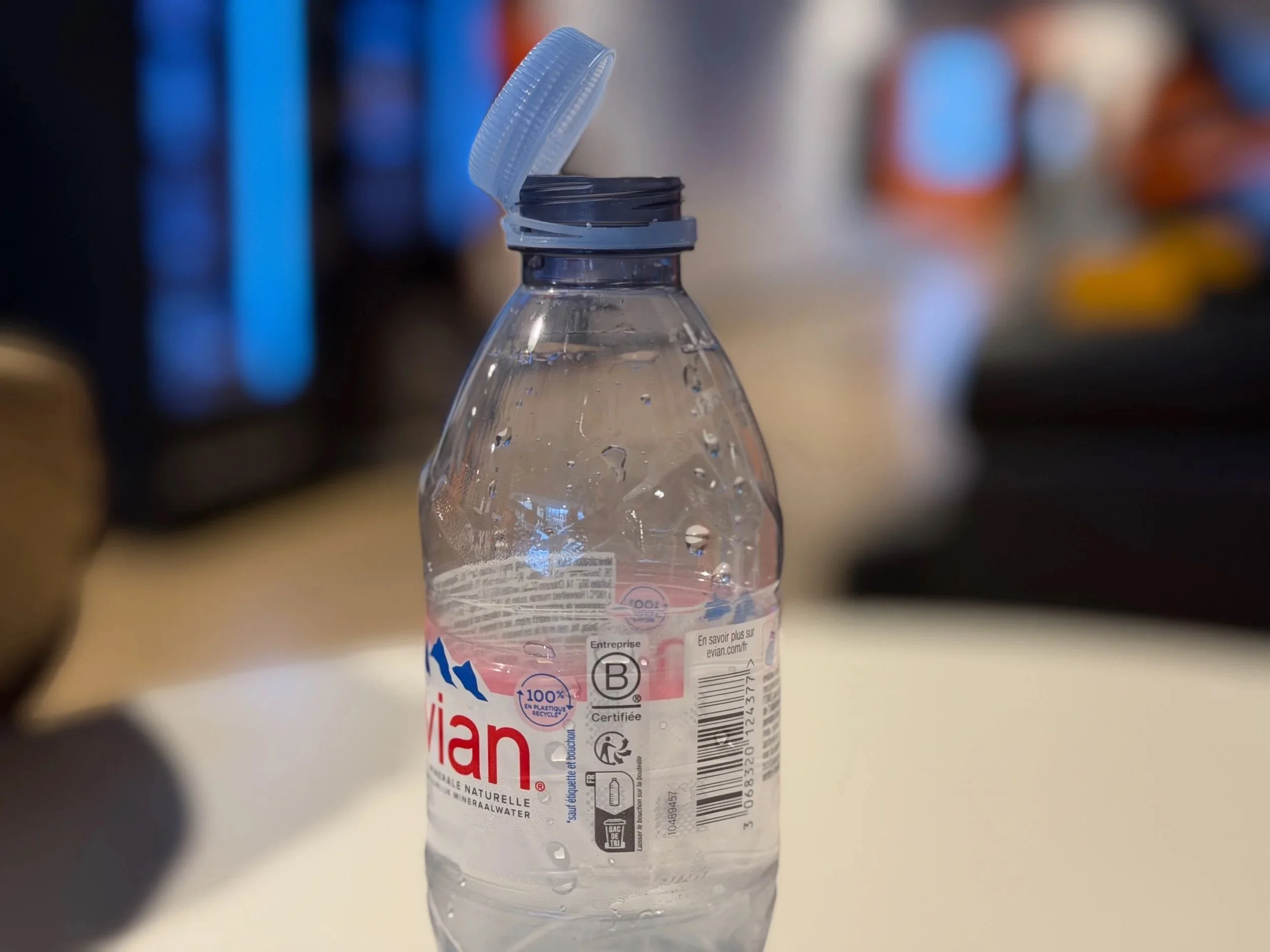
If you’re an American who’s been to Europe recently, you may have noticed something small but strange when opening a bottle of water.
The cap doesn’t come off.
You twist. You pull. Out of habit, you try to separate it from the bottle. It stays attached.
At first, it feels mildly annoying. Then you move on.
A few minutes later, you realize something else. You didn’t put the cap down. You didn’t lose it. You didn’t think about it at all.
That’s when the business parallel becomes clear.
This isn’t really about recycling. It’s about system design.
A Small but Effective Design Choice
In this case, the system was designed around a simple truth. People separate the cap, set it down, and forget about it.
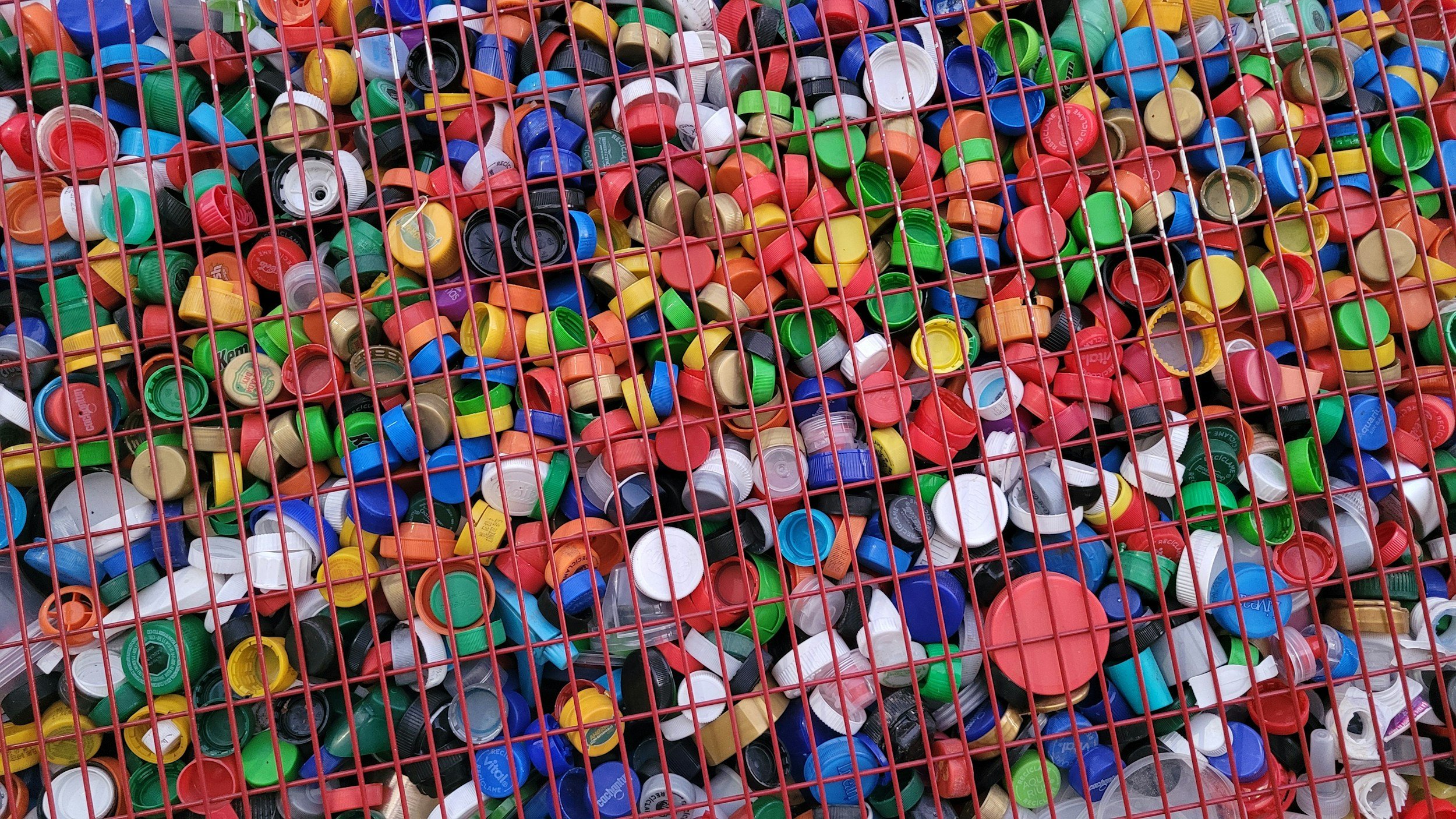
Once separated from the bottle, caps frequently fall out of the recycling stream entirely. They are missed by sorting equipment, dropped on the street, or blown into waterways. Research published by the European Commission has repeatedly identified caps and lids among the most common plastic items found in marine litter.
The important detail isn’t that the cap stayed attached.
It’s that a silent failure point disappeared without asking you to do anything differently.
There was no reminder. No instruction. And no ongoing effort required.
The system simply removed a moment where people routinely fail.
That same kind of moment exists in nearly every customer experience.
TOP 10
Caps & lids are among the most common plastic items found in marine litter (European Commission)
Single action
Tethering collapses disposal into one step instead of two
2024
EU requirement for attached caps takes effect
Friction Is the Growth Killer
Most growth doesn’t fail because customers lack intent. It fails because systems introduce small moments of effort at exactly the wrong time, when attention is low and habits take over.
Research from McKinsey and Company and the Baymard Institute consistently shows that each additional step in a customer journey materially reduces completion rates. Small points of friction compound quickly into abandonment.
That’s why some of the most effective growth systems don’t motivate more. They remove more.
Amazon’s one-click purchasing didn’t make people want products more. It removed a decision point.
Netflix’s autoplay didn’t improve content quality. It reduced the effort required to continue.
Starbucks’ mobile app collapsed ordering, payment, and rewards into a single action. (It also shifted the experience away from the café as a third place and toward speed and volume. Growth improved. The in-store experience arguably suffered.)
In each case, growth followed friction removal, not persuasion. And the trade-offs were real.
Fix the Failure Point, Not the User
In 2019, the European Union required plastic bottle caps to remain attached, with the rule taking effect in 2024.
This wasn’t a messaging campaign or a consumer education effort. It was a design intervention aimed at a known failure point.
Removing one small constraint resolved multiple downstream problems.
That’s not ideology.
That’s experience design.
Why Most Systems Still Break
Most systems don’t fail because the idea is wrong. They fail because the system is built on the wrong assumption.
Organizations default to tactics that require people to notice, remember, and comply.
Incentives
Points
Emails
Training
“Please remember…”
Those tools only work when attention is high and effort is low. At scale, that condition rarely holds.
Consumer insight research, including work from Bain and Company, shows that convenience and ease are among the strongest predictors of repeat behavior and loyalty. When a system requires ongoing effort, performance degrades quietly and predictably.
The failure isn’t visible in a single moment. It shows up over time as drop off, inconsistency, and decay.
From Bottle Caps to Brands
The bottle cap didn’t change behavior. It changed the system around behavior.
That distinction matters.
Strong brands apply the same principle. They identify the moments where participation quietly breaks and redesign the system so the correct outcome happens by default.
That does not mean every friction should be removed. As the Starbucks example shows, convenience can come at the expense of experience, differentiation, or meaning.
The point is not to eliminate friction indiscriminately. It’s to be intentional about where effort belongs and where it does not.
That’s not a cultural difference.
That’s system design done right.
Sources & Further Reading
European Commission – Single Use Plastics and Marine Litter
Findings on caps and lids as a major source of marine litter and the rationale for tethered caps.
https://environment.ec.europa.eu/topics/plastics/single-use-plastics_en
https://joint-research-centre.ec.europa.eu/jrc-news-and-updates/top-items-found-beaches-eu-2020-10-21_en
McKinsey & Company – Customer Journey Complexity
Research on how friction across customer journeys impacts satisfaction, conversion, and loyalty.
https://www.mckinsey.com/capabilities/operations/our-insights/customer-journey-management
https://www.mckinsey.com/capabilities/growth-marketing-and-sales/our-insights/the-three-cs-of-customer-satisfaction
Baymard Institute – Checkout and UX Friction
Large-scale UX research showing how additional steps increase abandonment.
https://baymard.com/lists/cart-abandonment-rate
https://baymard.com/blog/checkout-usability
Bain & Company – Convenience and Loyalty
Evidence that ease and convenience are leading drivers of repeat behavior and loyalty.
https://www.bain.com/insights/loyalty-is-about-behavior-not-attitudes/
https://www.bain.com/insights/are-you-undervaluing-your-customers/
