
From Ownership To Belonging
What Camp Airstream: Yellowstone Reveals About the Future of Loyalty
For decades, heritage brands have relied on product quality, craftsmanship, and reputation to earn loyalty. Build something great, stand behind it, and customers will return.
That model still matters. But it is no longer enough.
Today’s customers are not just looking for better products. They are looking for meaning, connection, and experiences that help them feel part of something larger. Loyalty is no longer only about ownership. It is about belonging.
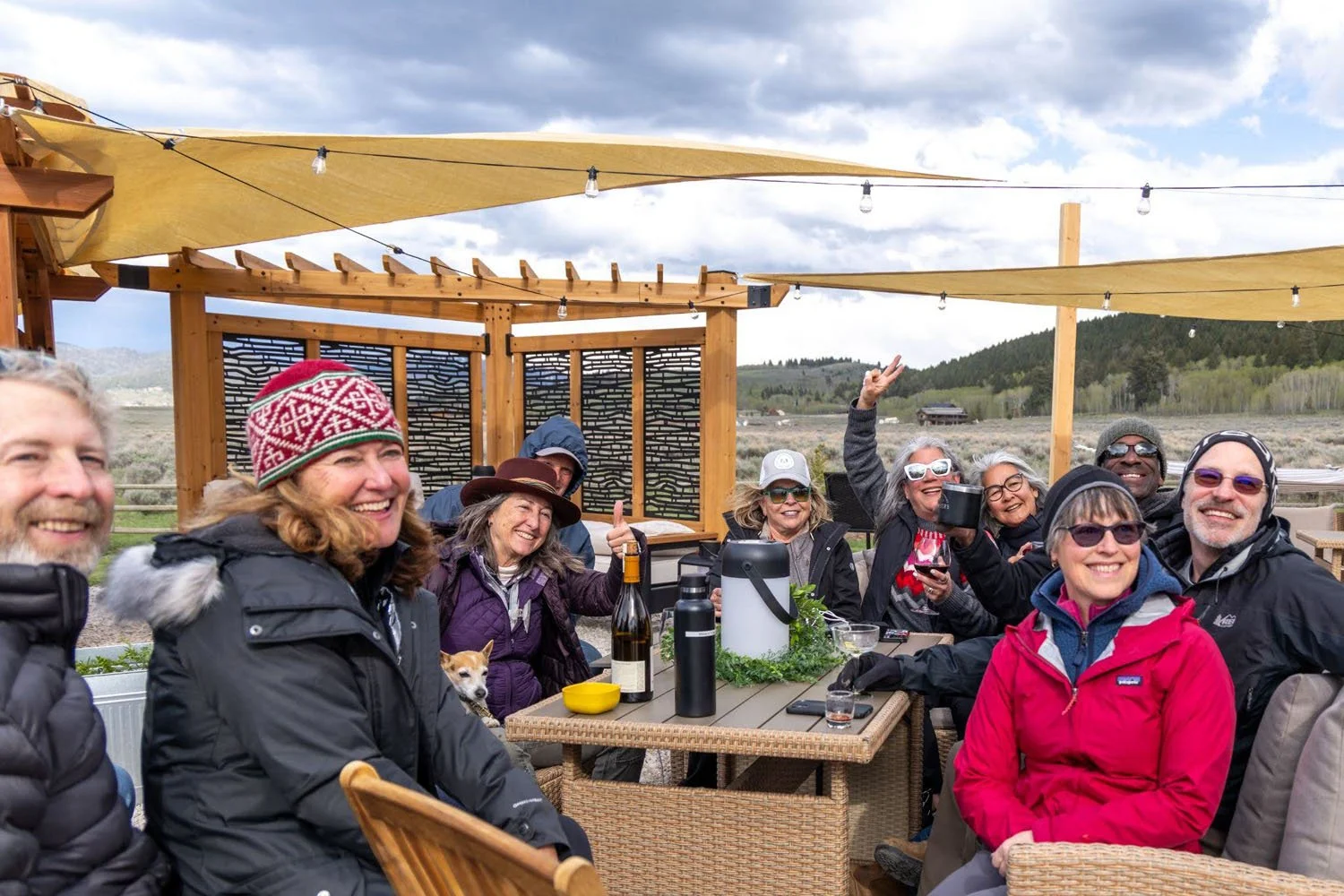
The Camp Airstream: Yellowstone pilot made that shift tangible. In a single, curated week for owners, backed by a sixteen-week design and production effort, Airstream demonstrated how experiential programs can extend ownership into advocacy, while also delivering real demand, satisfaction, and unit economics.
50%
CAPACITY SOLD WITHIN FIRST 10 DAYS
90%
OCCUPANCY RATE
92 NPS
HIGH GUEST SATISFACTION
PILOT BROKE EVEN
DOUBLE-DIGIT NET MARGIN AT SCALE
WHY EXPERIENCES MATTER
The idea that experiences drive value is not new. Pine and Gilmore’s work on the Experience Economy showed years ago that people increasingly prioritize memorable experiences over goods, and that emotionally resonant journeys create deeper, more durable loyalty.
What has changed is expectation.
Modern customers are time-constrained, choice-saturated, and increasingly unwilling to manage complexity on their own. They do not want more instructions, manuals, or things to track. They want ease, confidence, and connection.
Camp Airstream: Yellowstone arrived at exactly that cultural moment.
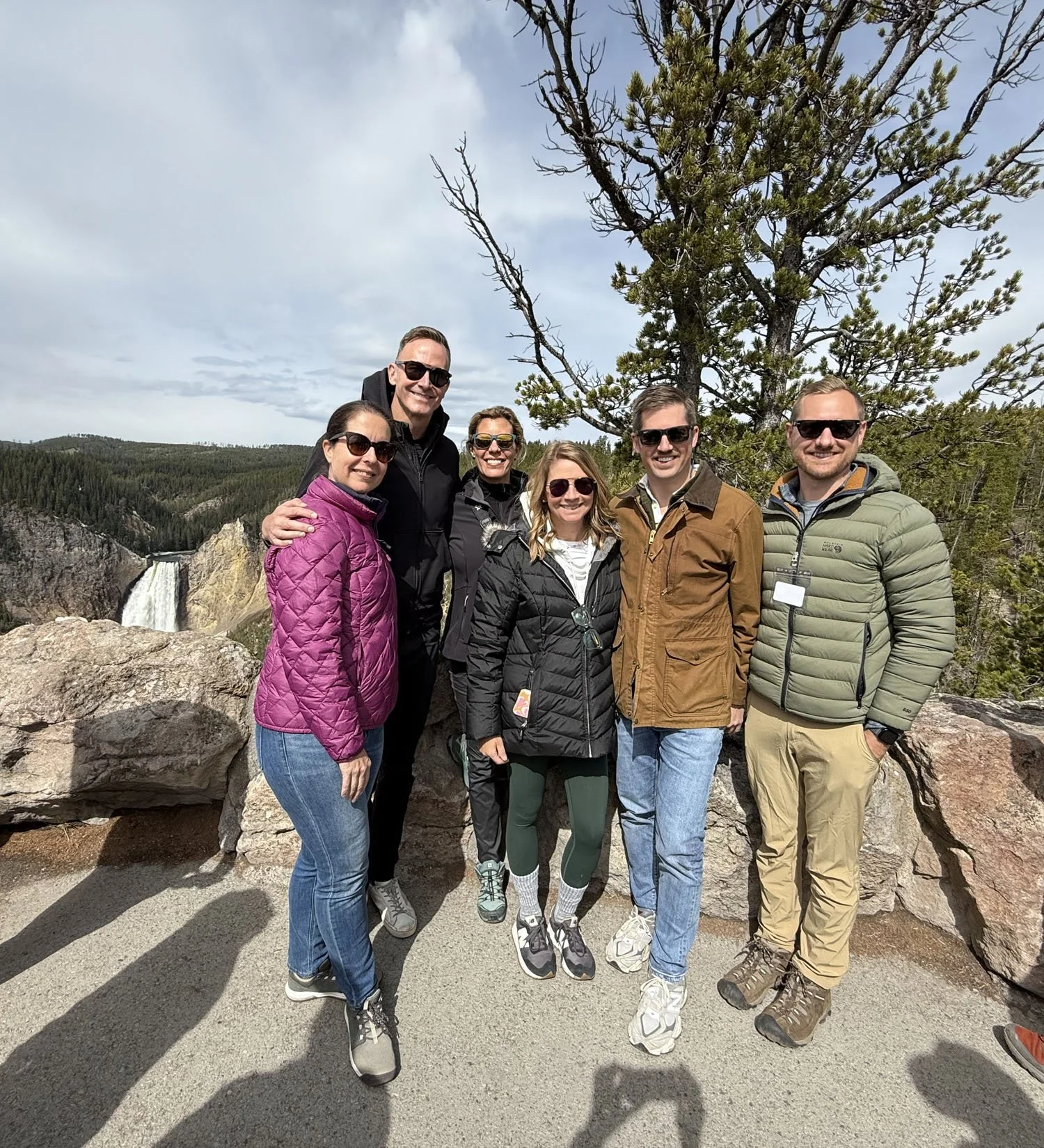
Participation was limited to existing Airstream owners, ensuring a shared baseline of experience and a common identity from the start. Owners did not need to be convinced of the product. They already loved their Airstreams. What they needed was a way to live the lifestyle without friction or planning burden, and a way to do it alongside others who shared the same values.
Participants expressed this clearly: “I would not have taken a trip like this on my own — this made it possible.”
DESIGNING THE EXPERIENCE
Unlike skills workshops or technical training programs, Camp Airstream: Yellowstone was intentionally light in structure. Its value came not from instruction, but from the feeling of being immersed in a thoughtfully curated experience.
The program rests on three design principles:
1. Ease and Curation
Every major decision — campground site, itinerary, timing, activities — was handled in advance. Guests arrived and immediately felt the shift: no planning, no stress, just the freedom to enjoy the destination with their Airstream.
“Everything was taken care of. It felt effortless.”
2. Community at the Center
Shared meals, casual gatherings, and evenings around the fire created natural social connection. People met other Airstreamers, formed friendships, and experienced the kind of belonging that no loyalty program can replicate.
“We formed friendships we’ll keep.”
3. Light-Touch Support
Staff were present and helpful but never intrusive. Owner confidence-building happened organically — through proximity, observation, and the simple act of adventuring alongside other owners.
“The perfect balance of structure and freedom.”
IMPACT & RESULTS
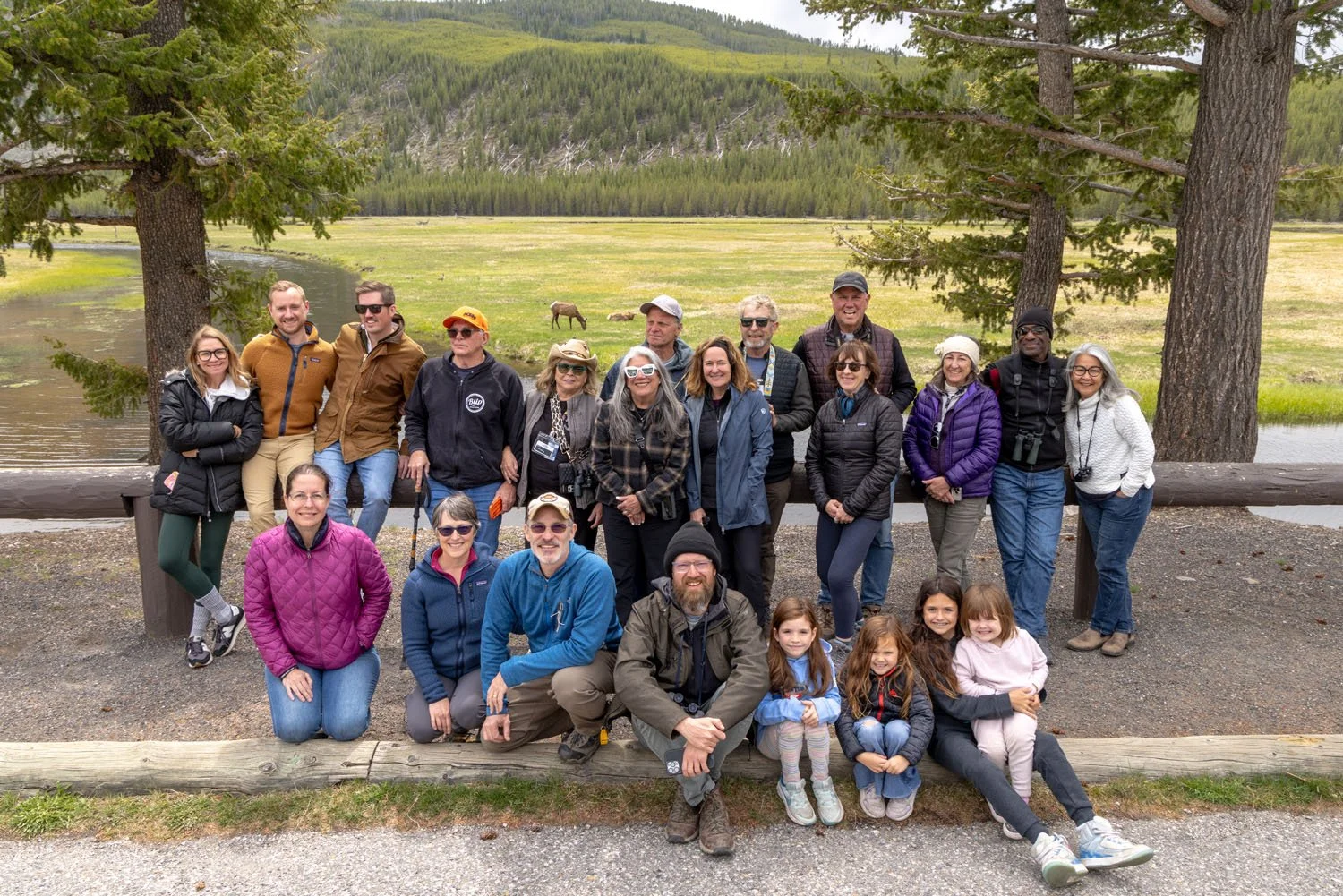
The response from owners was immediate and emphatic. The pilot sold 50 percent of capacity in the first 10 days and ultimately reached a 90 percent occupancy rate. Guest satisfaction was extraordinary, reflected in a 92 NPS, a score typically reserved for iconic hospitality brands.
The impact reached far beyond demand signals and satisfaction scores. Owners spoke openly about how the week made them feel: supported, connected, and empowered. Many shared that they had not simply gone on a trip. They felt like they had stepped into a community.
“Keep them coming. We want to attend every Camp Airstream you offer.”
“We felt taken care of the entire time.”
“We formed friendships we will keep.”
A Pricing Model Built For Both Value & Margin
A key driver of the pilot’s success was the pricing strategy. Rather than charging for a collection of individual components, Camp Airstream used a bundled, value stack approach in which the perceived value was intentionally designed to exceed the sum of its parts. By securing premium, peak season campsite inventory at wholesale rates, Airstream transformed what is typically a fragmented, high effort trip into a seamless, fully curated experience.
Guests were not paying for nights, meals, or activities. They were paying for guaranteed access, zero planning burden, and the emotional lift of traveling alongside a community of like minded owners.
This structure created a distinct economic advantage. Low hard costs combined with high experiential value resulted in break even performance in year one and a clear path toward double digit net margins at scale.
A Retention Engine & A Profitable Product Line
This combination of high satisfaction, strong demand, emotional resonance, and healthy unit economics positions Camp Airstream as both a retention engine and a scalable, profitable experience platform. It is a rare outcome in the experience space.
50%
CAPACITY SOLD WITHIN FIRST 10 DAYS
90%
OCCUPANCY RATE
92 NPS
HIGH GUEST SATISFACTION
A PLAYBOOK FOR HERITAGE BRANDS
The success of Camp Airstream: Yellowstone wasn’t an anomaly. It was a blueprint for how heritage brands can evolve in a shifting consumer landscape.
1. Start With Ease
Reducing friction is the fastest way to increase confidence and long-term loyalty.
2. Engineer Community Moments
Shared adventures creates emotional stickiness and deepen the sense of belonging.
3. Use Support Sparingly
Offer structure without taking away independence — it strengthens skills and satisfaction.
4. Scale Through Variety
Build a portfolio so each experience becomes a touchpoint in a larger ecosystem that drives deeper engagement.
“This wasn’t just a trip – it made us feel part of something.”
OUR ROLE IN THE PILOT
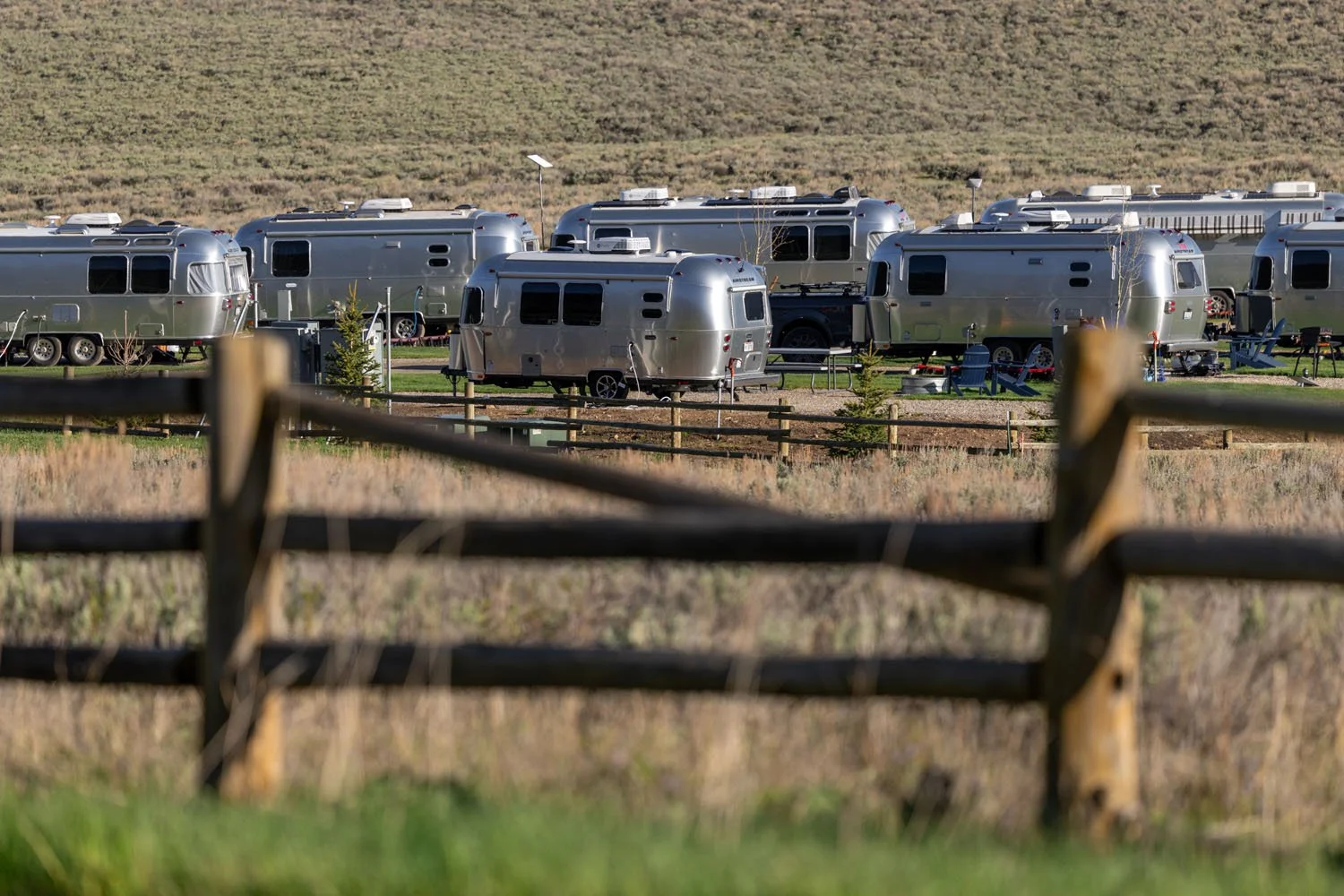
Camp Airstream: Yellowstone was developed in close partnership with Airstream. Nomadics worked alongside the Airstream team to conceptualize, design, and produce the pilot, from experience architecture and community flow to on-the-ground execution.
